

Skincare Guide
Best Anti-Acne Serum in Pakistan: Ingredients, How to Use and What to Expect
Choosing an acne serum is about understanding ingredients, your skin type, how a serum fits into your routine, and what results are realistic.
Choosing an Anti-Acne Serum for Your Skin
Acne-prone skin rarely has a single cause. Excess oil, clogged pores, hormones, environmental factors and everyday skincare habits can all play a part, which is why two people with breakouts may need very different products.
A serum is a targeted step, not a complete routine. It sits between cleansing and moisturizing and delivers concentrated ingredients, so what matters is what is inside the bottle, not whether the label says "anti-acne".
For many people in Pakistan, hot summers and humid coastal weather can make oily and acne-prone skin harder to manage, and sweat, dust and sunscreen add to the daily buildup. That makes a simple, well-chosen routine more useful than a crowded one.
If you are searching for the best anti acne serum in Pakistan, the most useful place to start is not a brand name but a checklist: the ingredients, how your skin behaves, how easily the serum fits into your routine, and what you can realistically expect. This guide covers all four.
Quick Takeaway
A serum can be a helpful part of an acne-prone routine, but it works best alongside a gentle cleanser, a moisturizer and daily sunscreen. Results vary, and consistency matters more than strength.

What Does an Anti-Acne Serum Do?
An anti-acne serum is a lightweight, concentrated product made to target common concerns of acne-prone skin. Depending on the formula, it may be designed to help with excess oil, clogged-looking pores, occasional breakouts, uneven-looking texture and the marks that can linger after a breakout.
Not every serum does the same job. One may focus on exfoliating inside pores, another on balancing oil, another on calming the skin. The active ingredients decide what a serum is best suited for, which is why the ingredient list matters more than the product name.
Here is where a serum fits in a basic routine:
- CleanserRemoves oil, sweat and buildup
- SerumThe targeted step
- MoisturizerKeeps skin comfortable
- SunscreenMorning only
The serum goes on after cleansing, while your skin is clean, and before moisturizer, so the lightweight formula can settle first and the moisturizer can follow.
Ingredients to Look for in an Acne Serum
These are the ingredient groups most often found in serums for oily and acne-prone skin. You will not find all of them in every product, and you do not need to.
Salicylic acid
A beta hydroxy acid that dissolves in oil, so it can work inside pores. It is commonly used for oily and acne-prone skin and can help reduce the appearance of clogged pores. It can be drying, so introduce it gradually.
Niacinamide
A form of vitamin B3 that supports the skin barrier. It can help improve the appearance of excess oil and may help with uneven-looking skin tone.
Zinc
A mineral that appears in many formulas for oily and blemish-prone skin. How much difference it makes depends on the formula and the person, so think of it as one part of a serum rather than a stand-alone solution.
Hyaluronic acid and humectants
Acne-prone skin can still be dehydrated. Humectants such as hyaluronic acid and glycerin attract water to the skin, which helps it feel comfortable and can make active ingredients easier to tolerate.
Soothing ingredients
Ingredients such as panthenol, allantoin, aloe or green tea extract are often added to calm skin that reacts easily. They can be especially helpful if active ingredients leave your skin feeling sensitive.
A serum does not need every ingredient above. What matters is that the formula suits your skin and that you know what is in it. Always read the full ingredient list before you buy or apply a product.
Can an Anti-Acne Serum Help With Acne Marks?
Breakouts and the marks they leave behind are not the same concern. Knowing the difference helps you choose a sensible approach.
- Active breakouts
- Spots that are currently clogged or inflamed.
- Post-breakout marks
- Flat discoloration that can remain after a spot has healed.
- Uneven-looking skin tone
- General patchiness or dullness, often after repeated breakouts.
- Persistent pigmentation
- Deeper marks that stay for many months without much change.
Treating active breakouts and improving the appearance of leftover marks can involve different strategies. A serum for acne marks usually relies on different ingredients, and a longer timeline, than one aimed at active spots. Some serums try to support both, and any change tends to be gradual.
Sunscreen is an important part of the picture. Sun exposure can make marks look darker and more noticeable, so daily sun protection helps you maintain an even-looking complexion. It also helps to resist picking, since that can leave marks behind. If marks are deep or do not change over time, a dermatologist can help you understand what is going on.
How to Use a Face Serum for Acne-Prone Skin
If you are wondering how to use a face serum, the order is simple. Product instructions should always take priority over general advice, including this guide.
-
Step01
Cleanse
Use a gentle face wash appropriate for your skin type, and pat your face dry.
-
Step02
Apply serum
Use the amount recommended by the product instructions. Most serums need only a small amount.
-
Step03
Moisturize
Follow with a lightweight moisturizer if needed, especially if your skin feels tight.
-
Step04
Protect
During the daytime, finish with sunscreen.
Before using any new serum on your whole face, patch test it on a small area first and wait to see how your skin responds.
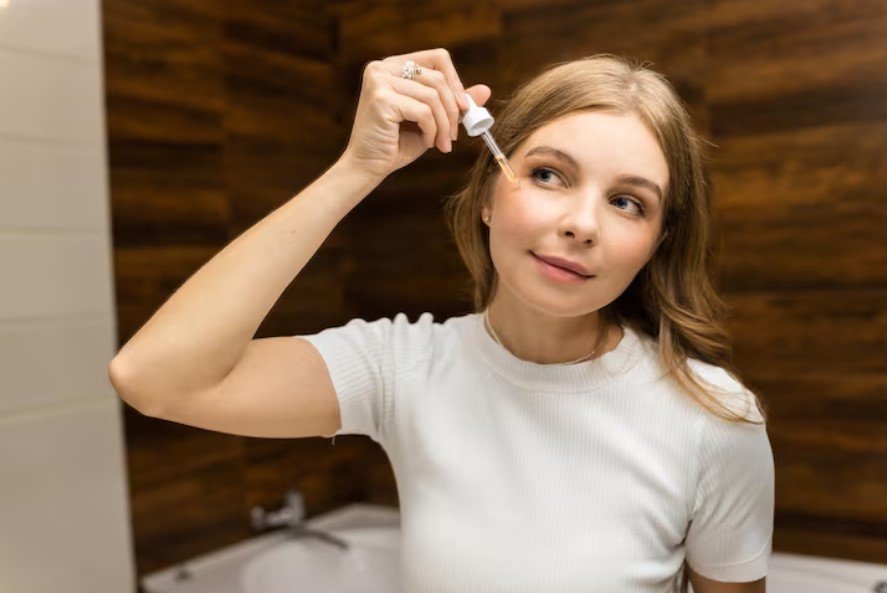
When Should You Apply an Anti-Acne Serum?
The answer depends on the formula. Some serums are gentle enough for morning and night, while others are better kept to the evening.
- Gentle cleanse
- Serum, if appropriate for the formula
- Moisturizer
- Sunscreen
- Cleanse
- Anti-acne serum
- Moisturizer
Not every active serum needs to be used twice a day. Start according to the product instructions and your skin's tolerance, and build up only if your skin stays comfortable.
How Long Does an Acne Serum Take to Work?
There is no exact answer. Skin renews itself gradually, and results vary from person to person. A rough way to think about it looks like this:
-
Week 1–2
Getting used to your routine
Focus on comfort. Mild dryness can happen as your skin adjusts to a new active ingredient.
-
Week 3–4
More consistent use
Keep the routine steady rather than adding new products. Consistency is what you are building.
-
Week 6–8+
Evaluate your progress
Look at the overall picture. Some people notice changes earlier, and others need longer.
This is a guide to pacing, not a promise. Irritation can happen when you introduce active ingredients, so if you notice ongoing stinging, redness or peeling, reduce how often you use the product or stop and ask a professional. Changing products too frequently also makes it hard to tell what is actually working.
If acne is severe, painful, persistent or getting worse, it is worth having it evaluated by a dermatologist rather than waiting for a serum to make a difference.
5 Common Acne Serum Mistakes to Avoid
-
Using too much product
More serum does not mean faster results. A small amount is usually enough, and extra product can increase the chance of irritation.
-
Applying too many active ingredients together
Layering several strong actives at once can overwhelm the skin. Add one new active at a time.
-
Skipping moisturizer
Acne-prone skin still needs hydration. Without it, skin can feel tight and less comfortable using actives.
-
Picking or squeezing breakouts
It can irritate the skin and increase the chance of leftover marks. Let spots settle on their own.
-
Changing products too quickly
Switching every week makes it impossible to know what helps. Give a routine several weeks unless your skin reacts badly.
A Simple Skincare Routine for Acne-Prone Skin
A skincare routine for acne-prone skin does not need many steps. Here is a simple starting point:
- Face wash
- Anti-acne serum
- Moisturizer
- Sunscreen
- Face wash
- Anti-acne serum
- Moisturizer
Adjust this to the serum's instructions and how your skin feels. If you are not sure where to begin, choose a gentle face wash first and add the serum once your skin is comfortable with the basics.
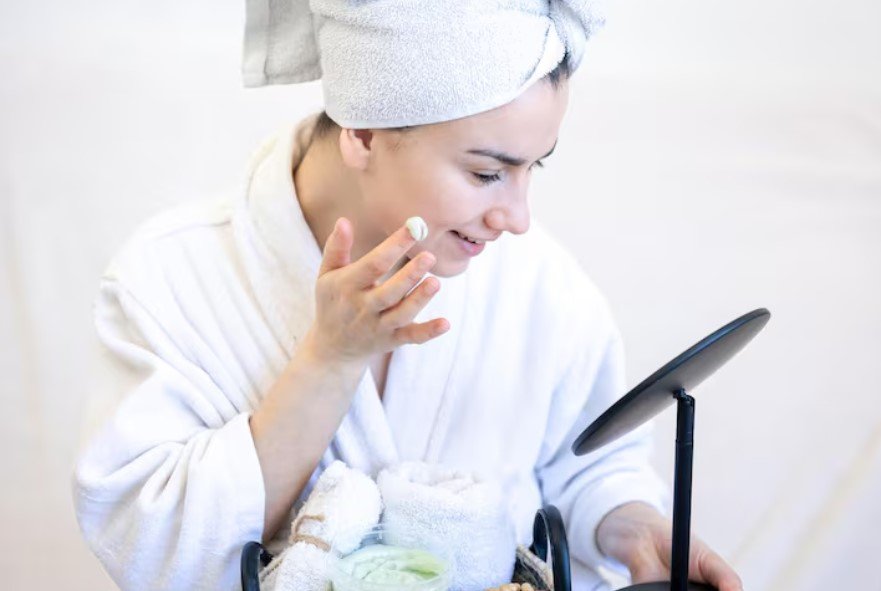
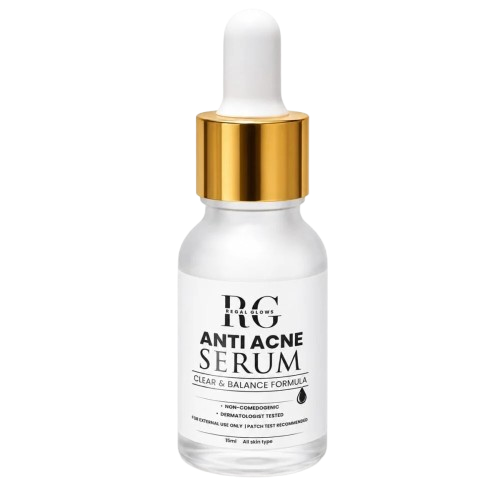
Meet the Regal Glows Anti Acne Serum
The Regal Glows Anti Acne Serum is designed to be part of a consistent skincare routine for acne-prone skin. It is the targeted step: applied after cleansing and before moisturizer, following the instructions on the pack.
As with any new product, patch test first, introduce it gradually and give your skin time. Results vary.
Who Can Benefit From an Anti-Acne Serum?
An acne serum may suit people who are looking for targeted skincare for:
- Oily-looking skin
- Occasional breakouts
- Clogged-looking pores
- Acne-prone skin
- Uneven-looking skin after breakouts
Suitability depends on the formula and on your individual skin. This is especially true for skincare for oily and acne-prone skin, where the same ingredient can feel fine on one person and drying on another. If you would like to see what is available, explore our Acne Care collection or browse the full skincare collection.
More Skincare Isn't Always Better
It is tempting to add every product that promises clearer skin. In practice, a calmer routine is usually easier for your skin to handle, and easier for you to judge.
- Avoid adding multiple strong actives at once
- Introduce new products gradually
- Keep your cleanser and moisturizer simple
- Do not confuse irritation with effectiveness
- Consistency is generally more useful than constantly changing products
Anti-Acne Serum FAQs
What is the best anti acne serum in Pakistan?
There is no single best serum for everyone. The right choice depends on the ingredients, your skin type and concerns, and how the formula is made. Look for a serum whose ingredients suit your skin, introduce it gradually, and judge it by how your skin responds over several weeks.
Can I use an acne serum every day?
It depends on the formula and your skin's tolerance. Some serums are designed for daily use, while stronger active ingredients may be better introduced a few times a week. Follow the product instructions and reduce use if your skin feels dry, tight or irritated.
Should I use serum before or after moisturizer?
Apply serum after cleansing and before moisturizer. Serums are lightweight and concentrated, so they go on first, and a moisturizer follows to help keep the skin comfortable.
Can I use an anti-acne serum with face wash?
Yes. A serum is meant to follow cleansing. Choose a gentle face wash that does not leave your skin feeling tight, so your serum goes onto clean, comfortable skin.
Can an acne serum help with acne marks?
It may help improve the appearance of uneven-looking skin after breakouts, depending on the ingredients, but marks usually fade gradually. Sunscreen during the day is important, and deeper or persistent marks are best assessed by a dermatologist.
How much serum should I use?
Follow the instructions on the product. Most serums need only a small amount, such as a few drops or a thin layer over the face. Using more does not usually give better results and can increase the chance of irritation.
How long does an acne serum take to work?
Skincare results vary, and there is no exact timeline. Many people judge a new serum after several weeks of consistent use, but some notice changes sooner or later. If acne is severe, painful or getting worse, speak with a dermatologist.
Can I use multiple acne products together?
It is best to add one product at a time. Combining several active ingredients can irritate the skin, especially if you are new to them. If you want to use more than one, introduce them gradually, and check with a qualified professional if you are unsure.
A Better Routine Starts With the Right Steps
Finding the best anti acne serum in Pakistan comes down to matching a formula to your own skin, not chasing the strongest product. Keep these in mind:
- Choose ingredients based on your skin's needs
- Introduce products gradually
- Keep the rest of your routine simple
- Use sunscreen during the day
- Stay consistent
- Have realistic expectations