

Skincare Guide
Skincare Routine for Glowing Skin: Morning and Night Steps for Pakistan
A simple, beginner-friendly routine built around three steps, cleanse, treat and glow, with morning and night guidance for Pakistan's heat, humidity and changing seasons.
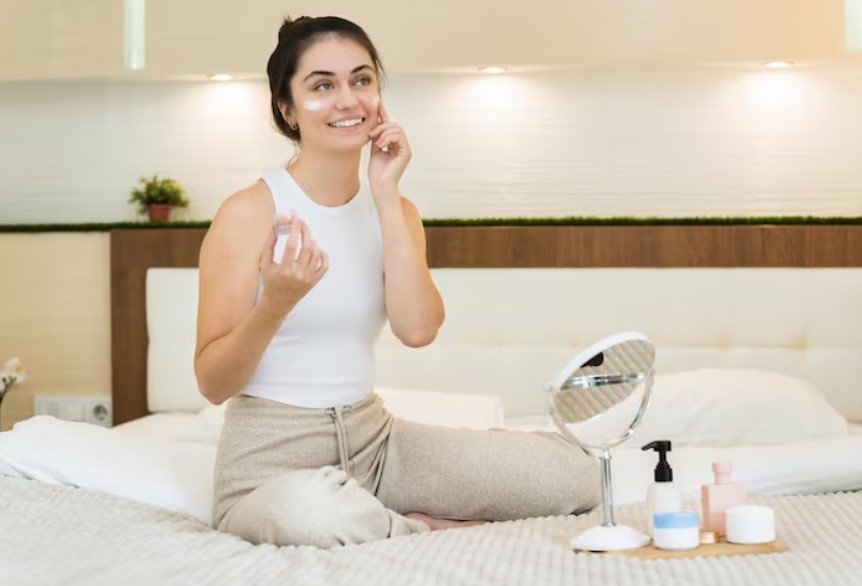
A good skincare routine for glowing skin is much simpler than social media makes it look. You do not need ten products, a shelf full of serums or a routine that takes forty minutes. Most people get further with three well-chosen steps done consistently than with a long list of products used for a week and then abandoned.
That matters even more in Pakistan, where heat, humidity, sweat, dust and strong sun can change how your skin feels from one season to the next. Skin that feels oily and heavy during a humid summer may feel tight and dry in a cool, dry winter. A routine has to be simple enough to repeat every day and flexible enough to adjust when the weather changes.
If you are new to skincare, the easiest place to start is a framework: Cleanse, Treat, Glow. Cleanse removes the day's buildup. Treat is the targeted step, usually a serum chosen for a specific concern. Glow is about hydration and comfort, which is what makes skin look healthy, rested and even. In the morning, sunscreen finishes the routine.
This guide explains each step, shows you how to put together a morning and night routine, adapts it for oily, dry and combination skin, and looks at how Pakistan's weather should change what you do.
What Is a Simple Skincare Routine for Glowing Skin?
A skincare routine is a short, repeatable set of steps that keeps your skin clean, comfortable and protected. A simple skincare routine for beginners does not try to fix everything at once. It builds a stable foundation, and then lets you add to it slowly.
It also helps to be clear about what "glowing" means. Healthy-looking, glowing skin is not a filter or an overnight transformation. It is usually the result of skin that is clean, hydrated, balanced, comfortable and protected from the sun, with a more even-looking surface. Those are things a consistent daily face care routine can support.
The framework here follows the same Cleanse, Treat, Glow approach you will see on the Regal Glows homepage. Each step has one clear job:
Remove daily buildup and prepare the skin.
Use a targeted skincare product appropriate for your concerns.
Support hydration and a healthy-looking complexion.
The 3-Step Skincare Routine: Cleanse, Treat and Glow
This 3-step skincare routine is the core of everything else in the guide. Here is what each step involves and how to approach it.
Step 1: Cleanse
Over a normal day, your face collects oil, sweat, dust, sunscreen and, for many people, makeup. Cleansing removes that buildup so that the products you apply afterwards can actually sit on clean skin. It is the foundation of any face cleansing routine.
How to choose a cleanser. Look for something gentle that suits your skin type. Lightweight gel or foaming textures usually feel good on oily skin, while creamier, low-foam cleansers tend to be more comfortable on dry skin. After rinsing, your skin should feel clean but not tight, squeaky or stripped.
How often to cleanse. Most beginners do well cleansing once in the morning and once at night. Washing more than that is rarely necessary and can irritate. If your skin is very dry, you may find that a simple water rinse in the morning feels better, and you can save your cleanser for the evening.
- If your skin is oily: choose a lightweight cleanser, and resist the urge to wash repeatedly during the day. Our guide to the best face wash for oily skin in Pakistan covers what to look for in more detail.
- If your skin is dry: pick a gentle, non-stripping formula and use lukewarm water rather than hot.
The Regal Glows Brightening Face Wash is one option for this step. Its product page describes it as a lightweight, non-drying formula that gently cleanses dirt, oil and impurities, helps brighten the appearance of dull skin and helps maintain the skin's natural moisture. It is listed as suitable for all skin types.
Common mistake
Chasing a "squeaky clean" feeling. That tight finish is usually a sign the cleanser or the water was too harsh for your skin, not a sign that it worked better.
Step 2: Treat
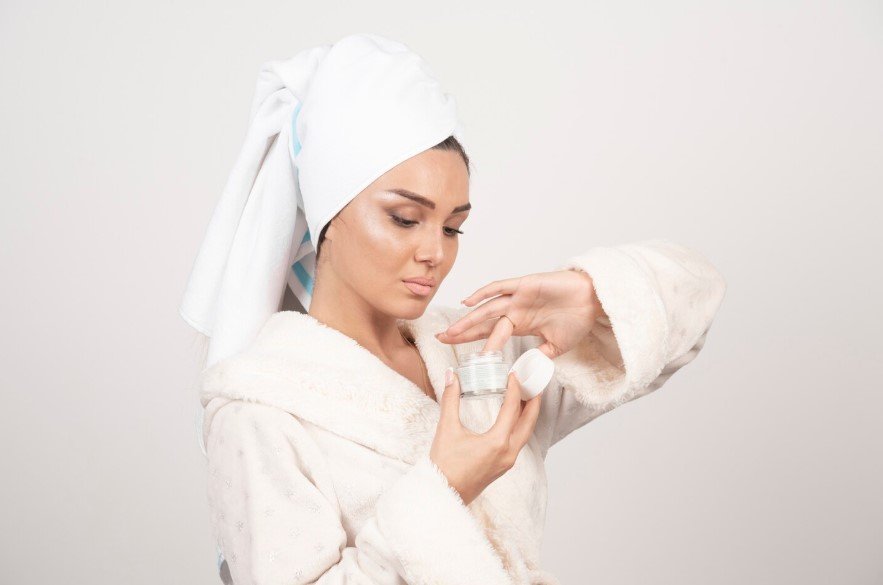
The treat step is where you target a specific concern, whether that is breakouts, excess oil, uneven-looking skin or dullness. This is usually a serum, which is a lightweight, concentrated product designed to be used in a small amount.
Why serum comes after cleansing. Serums are thinner than moisturizers, and they work best on clean skin. The general rule is to apply products from the thinnest texture to the thickest, so the order is cleanser, serum, then moisturizer.
How to introduce a serum. If you are wondering how to use a face serum, start with the basics: apply a small amount, usually a few drops or a thin layer, as directed on the product. Spread it gently across your face, give it a moment to settle, then move on to your moisturizer. Add only one new product at a time, and patch test first, so that if your skin reacts you know the cause.
Keep the treat step simple. Using several active products at once can overwhelm the skin and make a routine harder to follow. One well-chosen treatment used consistently is almost always better than three products used inconsistently. Whatever you choose, follow the instructions for that specific product.
For acne-prone skin, the Regal Glows Anti Acne Serum is one option for this step. Its product page describes it as lightweight, fast-absorbing and non-comedogenic, designed to help control excess oil and help reduce the appearance of acne and blemishes, and to help improve the appearance of acne marks. It is listed as suitable for all skin types. If you would like to compare serum ingredients first, read our guide to the best anti-acne serum in Pakistan.

Step 3: Glow
The glow step is about hydration, comfort and protection. A moisturizer helps support skin hydration and keeps your skin feeling soft and balanced, which is exactly what makes skin look healthy. It also helps skin tolerate the rest of your routine.
It is worth remembering that healthy-looking skin is not only about "brightening". Skin that is dry, irritated or overworked rarely looks radiant, no matter how many brightening products you use. A glow comes from comfort first: skin that is hydrated, calm and protected from environmental exposure such as sun, dust and pollution.
The Skin Brightening & Hydrating Cream from Regal Glows fits this step. Its product page describes a lightweight, non-greasy formula for daily use that provides hydration, helps improve the appearance of dullness, supports a more even-looking skin tone and contains antioxidant ingredients. If uneven tone or marks are your main concern, our guide on how to remove dark spots on face goes into causes and routines in detail.

Morning Skincare Routine for Glowing Skin
The morning skincare routine has one extra job: preparing your skin for the day ahead. The core framework stays at three steps, but daytime adds a fourth that matters just as much, which is sunscreen.
Morning · AM skincare routine
- CleanseWash with lukewarm water and a gentle cleanser, or just rinse if your skin is very dry. Pat dry.
- TreatApply your serum in the amount recommended on the product.
- MoisturizeFollow with a lightweight moisturizer.
- SunscreenFinish with a broad-spectrum sunscreen as the last step.
Order matters. Go from the thinnest texture to the thickest, and finish with sunscreen on top. Applying sunscreen before your serum or moisturizer can reduce how evenly it covers the skin.
Let products settle. You do not need to stand at the mirror with a timer, but give each product a short moment to absorb before the next. Applying everything at once can leave the surface feeling sticky or pilling.
Sunscreen is not optional. Daily sun protection is the most important daytime step, because UV exposure can undo much of what the rest of your routine is trying to do. Use a broad-spectrum sunscreen, apply a generous layer, and reapply according to the product instructions, particularly if you are outdoors or sweating. Do this on cloudy days too.
Night Skincare Routine for Glowing Skin
A night skincare routine is when you clear away the day. Sunscreen, sweat, dust and oil have built up on the skin since the morning, so cleansing properly before bed matters. It is also the time of day when most people have a few calm minutes, which makes it easier to stay consistent.
Night · PM skincare routine
- CleanseRemove sunscreen, sweat and dust. If you wear makeup, cleanse thoroughly.
- TreatApply your serum as directed on the product.
- MoisturizeFinish with a moisturizer to keep skin comfortable overnight.
If you are just getting started, keep these four rules in mind:
- Start simple. Three steps are enough. You can add more later.
- Do not add several new products at once. Introduce one, wait, then consider the next.
- Patch test when appropriate. Try a new product on a small area before using it on your whole face.
- Follow the product instructions. Frequency and amount vary from one formula to another.
How to Build a Skincare Routine for Your Skin Type
The three steps stay the same. What changes is the texture and how often you use each product. Use these as starting points rather than strict rules, and notice how your own skin responds. Skin type is not a diagnosis, and it can shift with the seasons.
Skincare Routine for Oily Skin
A skincare routine for oily skin should feel light, not heavy.
- Choose lightweight textures such as gels and fluid lotions.
- Cleanse gently, and avoid over-cleansing during the day.
- Keep moisturizing. Oily skin still needs hydration.
- Avoid unnecessary heavy layering.
Skincare Routine for Dry Skin
Dry skin benefits most from comfort and consistency.
- Use a gentle cleanser that does not strip the skin.
- Focus on hydration, with a moisturizer you apply every day.
- Avoid overly harsh cleansing and very hot water.
- Stay consistent, since dry skin often improves with steady care.
Skincare Routine for Combination Skin
Combination skin asks for balance across different areas.
- Treat the oilier areas and the drier areas differently where needed.
- Avoid over-treating oily areas, which can leave others dry.
- Keep the drier areas comfortable with moisturizer.
- Begin with a simple routine before adding anything else.
Skincare in Pakistan: How Weather Can Affect Your Routine
A skincare routine in Pakistan works best when it responds to your environment. Pakistan is a large country with very different conditions, from coastal humidity to dry plains heat and cold northern winters, so skincare for Pakistani weather is not one-size-fits-all. These are the factors that most often change how skin feels:
- Heat. Hot days can make skin look shinier and encourage heavier sweating.
- Humidity. Humid air can make products feel heavier on the skin and leave oilier skin feeling slick.
- Sweat. Sweat mixes with oil and sunscreen, so thorough cleansing at night matters more.
- Outdoor exposure. Commutes, errands and time outdoors mean more sun, dust and pollution.
- Summer and hot weather
- For skincare in hot weather, lighter textures usually feel better. Choose a gel or lightweight moisturizer, keep sunscreen consistent and reapply when outdoors or sweating.
- Humid weather
- For skincare in humid weather, skip heavy layers. A simple cleanse, a light treatment and a lightweight moisturizer are often enough.
- Winter
- Cooler, drier air can leave skin tight. Switch to a gentler cleanser and a richer moisturizer if your skin feels dry, and keep wearing sunscreen. Indoor heating and air conditioning can also dry the skin out.
It is also worth being careful about copying someone else's routine. An influencer's skin, climate, budget and habits are not yours, and what works for one person may overwhelm another. Use their ideas as inspiration, but build your own routine step by step and adjust it based on how your skin responds through the seasons.
Weekly Skincare Extras: What You Actually Need
A solid daily routine matters far more than any extra product. Weekly extras are completely optional, and many people with healthy, comfortable skin never need them.
- Exfoliation. If you want to try it, keep it gentle and occasional, no more than once a week to start with, and stop if your skin feels sore, dry or irritated. Avoid harsh scrubs.
- Masks. A hydrating or calming mask can be a pleasant extra, but it is not a replacement for your daily routine.
- Additional treatments. Introduce them one at a time and only once your basic routine feels comfortable.
If you are a beginner, avoid layering multiple active products at once. More steps do not mean better skin, and overloading the skin is one of the quickest ways to cause irritation.
Common Skincare Mistakes That Can Prevent Healthy-Looking Skin
- Using too many products
A crowded routine is hard to follow and hard to troubleshoot when skin reacts.
- Changing products too frequently
Skin needs time to adjust, and constant switching hides what actually helps.
- Over-cleansing
Washing too often can leave skin tight and irritated.
- Skipping moisturizer
Even oily skin needs hydration to stay comfortable and balanced.
- Ignoring sunscreen
Sun exposure can undo the progress of the rest of your routine.
- Using products in the wrong order
Thinner products should go on before thicker ones, with sunscreen last in the morning.
- Expecting overnight results
Skincare works gradually, and rushing leads to overuse.
- Copying routines without considering skin type
What suits someone else's skin and climate may not suit yours.
- Picking or squeezing blemishes
It can irritate the skin and increase the chance of leftover marks.
- Not being consistent
A simple routine you follow daily beats a perfect one you skip.
How Long Does It Take to See Results From a Skincare Routine?
Skincare is not an overnight transformation. Skin renews itself gradually, so it is best to judge a routine over several weeks of consistent use rather than a few days. Some changes, such as skin feeling more comfortable and hydrated, are often noticed sooner. Other concerns, such as texture or marks, can take longer.
Everyone's skin is different, so results vary from person to person. If a product causes stinging, redness or dryness that does not settle, that is a sign your routine may need to be simplified, not pushed harder. Pause new products, return to a gentle cleanser and moisturizer, and reintroduce things one at a time.
If you have a concern that is persistent, painful or getting worse, professional advice from a qualified dermatologist is more useful than adding more products.
A Simple Morning and Night Skincare Routine at a Glance
Here is the whole routine on one page.
| Step | Morning | Night |
|---|---|---|
| Cleanse | Yes | Yes |
| Treat | Yes | Yes |
| Moisturize | Yes | Yes |
| Sunscreen | Yes | Not needed at night |
Regal Glows 3-Step Approach
If you would like to follow the framework with Regal Glows products, here is how the three fit together. Each description reflects the information on its product page. These products are designed to fit into a simple routine, and results vary from person to person.
Brightening Face Wash
A lightweight, non-drying cleanser that gently cleanses dirt, oil and impurities and helps brighten the appearance of dull skin.
Role in your routine: the gentle first step, morning and night.
Anti Acne Serum
A lightweight, fast-absorbing, non-comedogenic serum that helps control excess oil and helps improve the appearance of acne marks.
Role in your routine: the targeted step after cleansing.
Skin Brightening & Hydrating Cream
A lightweight, non-greasy daily cream that provides hydration and supports a more even-looking skin tone.
Role in your routine: the hydrating finish that supports a healthy-looking glow.
Continue Your Skincare Journey
Once your basic routine is in place, these guides go deeper into the topics most people ask about next.
Frequently Asked Questions
What is the best skincare routine for glowing skin?
The best routine is one you can follow consistently. For most beginners that means cleanse, treat and moisturize, with sunscreen added in the morning, using gentle products that suit your skin type. Add anything else slowly.
What should I apply first in my morning skincare routine?
Start by cleansing, or rinsing with water if your skin is very dry. Then apply serum, moisturizer and finally sunscreen. Products generally go on from the thinnest texture to the thickest, with sunscreen last.
Is a 3-step skincare routine enough for beginners?
Yes, for most beginners. Cleanser, treatment and moisturizer cover the basics, and sunscreen is added in the morning. You can build on it once your skin is comfortable and you know what it needs.
What is the correct night skincare routine?
Cleanse to remove sunscreen, sweat and dust, apply your treatment if appropriate, then finish with moisturizer. If a product is meant for evening use only, follow its instructions.
How can I build a skincare routine for oily skin?
Use a gentle cleanser, a lightweight treatment and a light, non-greasy moisturizer. Avoid over-washing, because stripped skin can feel uncomfortable, and keep sunscreen in your morning routine.
Can dry skin follow the same basic skincare routine?
Yes. The structure is the same, but dry skin often prefers a creamier, gentler cleanser and a richer moisturizer, with active products introduced more slowly.
How often should I change my skincare routine?
Not often. Give a routine several weeks before judging it, and change it when your skin's needs change, such as with the seasons, or if a product irritates you. Change one product at a time.
Should I use sunscreen every morning?
Yes. Daily sunscreen is an essential daytime step, including on cloudy days and when you are mostly indoors. Reapply according to the product instructions if you are outdoors or sweating.
How long does it take to see results from a skincare routine?
It varies. Many people notice their skin feeling more comfortable and balanced first, while concerns such as marks or texture take longer. Judge your routine over several weeks, not days.
Can I use a serum every day?
It depends on the serum. Some are designed for daily use, while stronger active ingredients are better introduced gradually. Follow the product instructions, and reduce use if your skin feels dry, tight or irritated.